

How to Review Shot Timer Results After a Drill
A shot timer provides more than just a final time. Learning how to review your results after each drill helps you understand your performance, identify areas for improvement, and build more consistent training habits.
After every training run, most shooters naturally look at the total time first. While that's useful, it only tells part of the story.
Your shot timer records several pieces of information that can help you understand what happened during the drill. Reviewing these results after every run allows you to identify strengths, spot inconsistencies, and make better adjustments for the next repetition.
Instead of asking, "Was this run faster?", try asking, "What can these numbers tell me?"

Start with Total Time
Total Time shows how long the entire drill took from the start signal to the final recorded shot.
It's often the first number shooters notice, but it shouldn't be the only one.
A faster total time is encouraging, but understanding why the time changed is even more valuable.
Ask yourself:
- Was the improvement consistent?
- Did one section of the drill become faster?
- Did accuracy remain the same?
- Can you repeat the same performance?
Looking beyond the final number helps you build repeatable results instead of chasing a single fast run.
Review First Shot Time
First Shot Time measures the time between the start beep and your first recorded shot.
This number reflects how efficiently you respond to the start signal and begin the drill.
If your First Shot Time varies significantly between runs, consider whether your starting position, grip, or preparation is changing.
Rather than trying to react as quickly as possible every time, aim for a smooth and repeatable start.
Consistent reaction often leads to better overall performance. MantisX's breakdown of 6 ways shot timers drive improvement highlights first-shot consistency as one of the highest-leverage metrics to track, especially early in a training block.
Check Your Split Times
Split Time measures the interval between consecutive shots.
Many experienced shooters pay close attention to split times because they reveal how consistently the drill is performed after the first shot.
When reviewing your splits, look for patterns:
- Are all splits similar?
- Does one split take noticeably longer?
- Does speed decrease toward the end of the drill?
Large differences often indicate transitions, movement, or changes in rhythm that deserve additional practice.
The goal is not necessarily the fastest split. It is achieving smooth, repeatable splits throughout the drill. If you want structured exercises to work on specific split patterns, our 5 practical shot timer drills for better range performance includes formats built around split consistency at different distances.
Confirm the Shot Count
Always verify that the recorded Shot Count matches the number of shots you intended to fire.
If the count is different than expected, consider:
- Was the sensitivity setting appropriate?
- Has the training environment changed?
- Should you perform another quick test before continuing?
A correct shot count helps ensure the rest of your timing data is meaningful. If you're seeing regular under- or over-counts, our troubleshooting guide on shot timer not detecting shots walks through the most common causes and fixes.
Review PAR Time Results
If you're training with PAR Time, compare your performance with the target time instead of simply trying to finish faster.
Ask yourself:
- Did you complete the drill before the second beep?
- Were your movements controlled?
- Can you repeat the same result several times?
PAR Time works best when consistency comes before speed.
Once a target becomes comfortable, gradually reduce the PAR time and continue building repeatable performance.
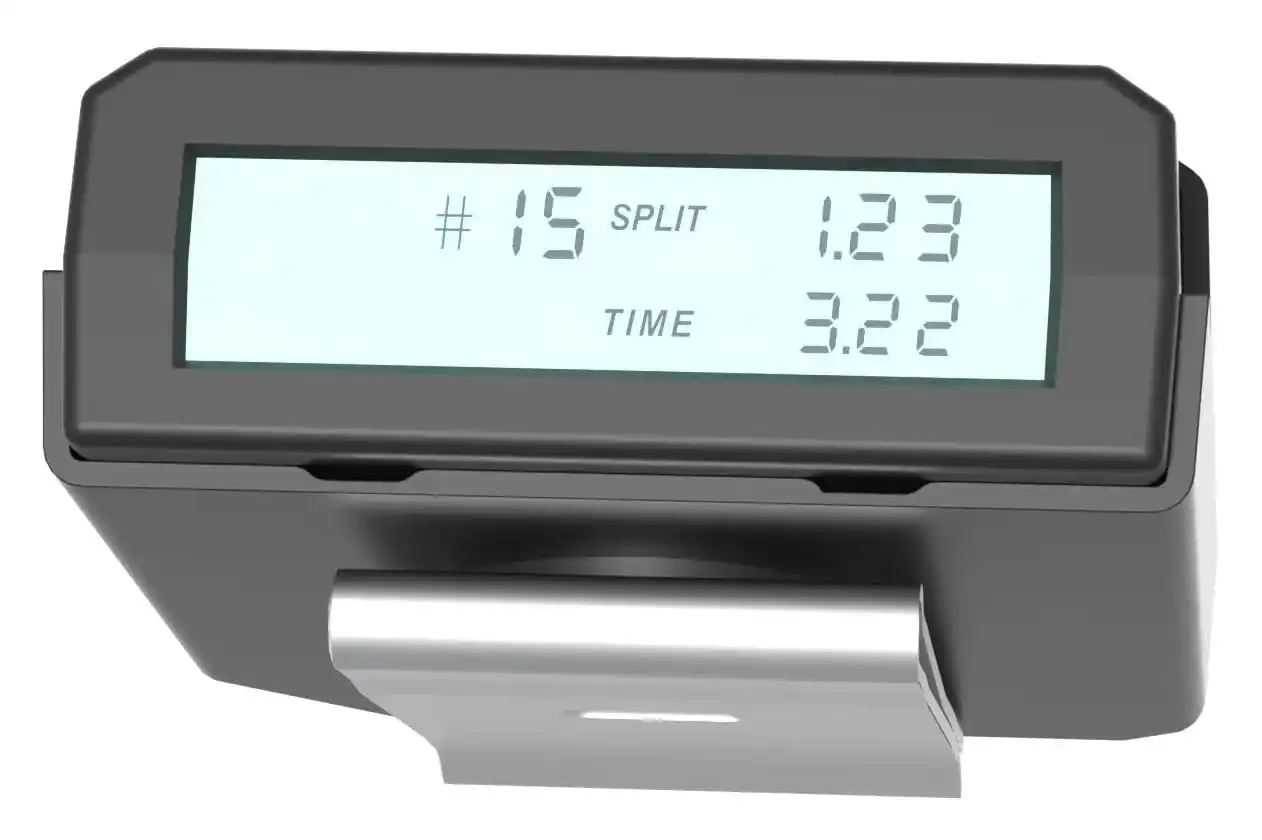
Compare Several Runs Instead of One
One excellent run doesn't always represent your overall performance.
Instead of focusing on a single result, review several consecutive drills.
Look for trends such as:
- More consistent First Shot Times
- Smaller differences between Split Times
- Stable Total Times
- Accurate Shot Counts
Consistent improvement over multiple runs is usually more meaningful than one exceptionally fast attempt. Joel Park's All About Shot Timers makes the same point: the value of a shot timer isn't in the single best number — it's in the pattern you build across many runs.
Build a Simple Review Routine
After each drill, spend a few seconds checking:
- Total Time
- First Shot Time
- Split Times
- Shot Count
- PAR Time, if used
Then ask one simple question:
"What should I improve on the next run?"
Small adjustments between repetitions often lead to greater long-term progress than making major changes after every drill. To take your review process further, our guide on how to track training progress with a shot timer shows how to log results across sessions and identify real performance trends over time.
Final Thoughts
A shot timer is more than a device that records time. It's a tool for understanding your training.
Reviewing your results after every drill helps you recognize patterns, measure consistency, and make informed adjustments based on real performance data.
The more consistently you review your results, the easier it becomes to track progress and build better training habits over time.
Useful Resources
- First shot time, split time, and total time — what they mean
- What PAR time means for training
- 5 practical shot timer drills for better range performance
- Shot timer not detecting shots — common causes and fixes
- How to track training progress with a shot timer
- How to set shot timer sensitivity indoors and outdoors
- PHOBINEY shot timer product page
- USPSA rulebook
- MantisX: 6 ways shot timers drive improvement
- All About Shot Timers — Joel Park, PSTG Podcast Host